



It’s hard to imagine a feature like facial recognition being welcomed or liked by the public, but that doesn’t seem to be stopping Meta from considering facial recognition in its smart glasses.
The feature, which is currently being discussed internally and is called “Name Tag,” could be introduced at some point in 2026, according to a report in the New York Times.
What does it do?
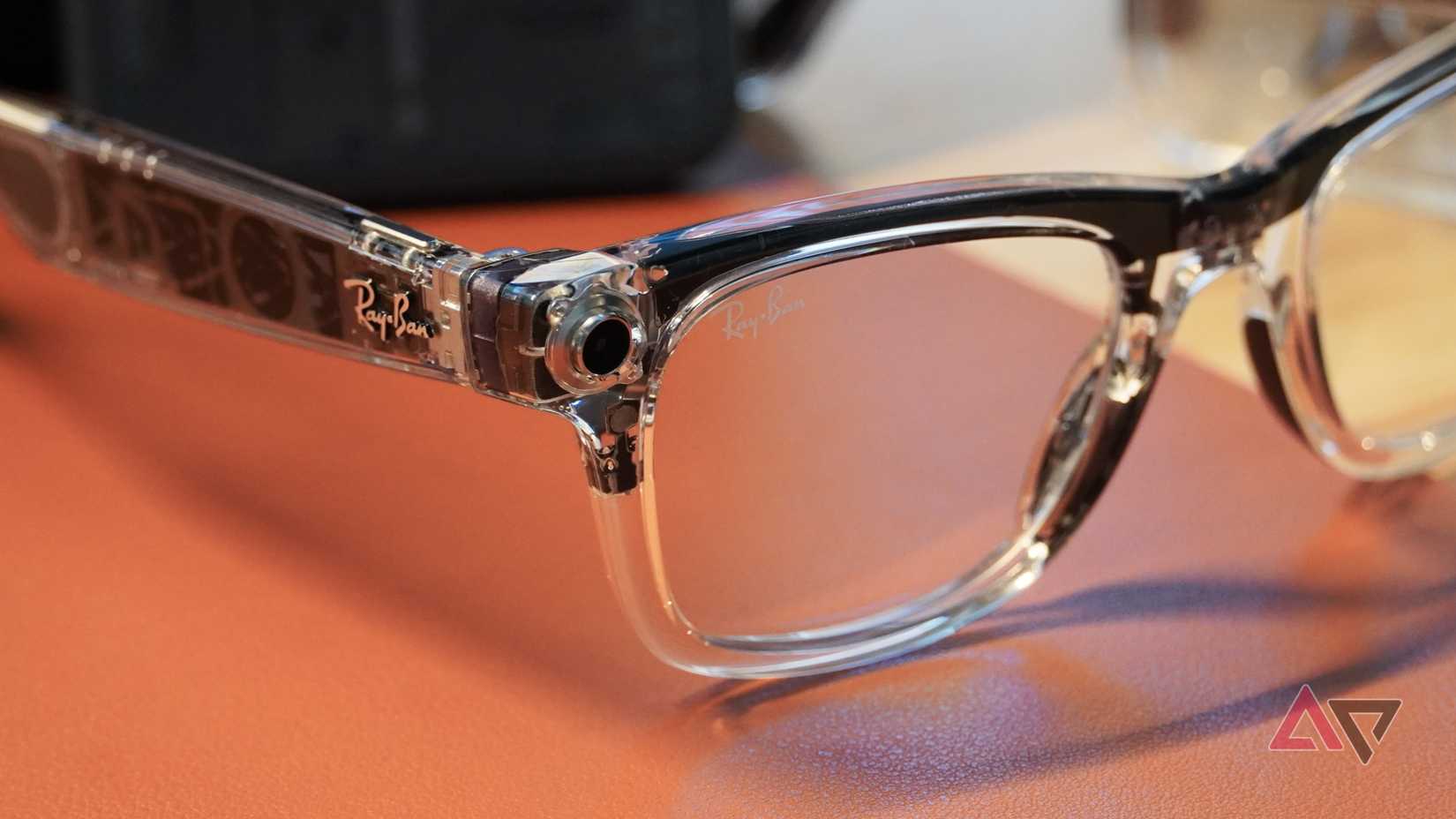
Name Tag is not approved for release at this time and is still a potential feature. Once it arrives, it will use a camera attached to smart glasses, such as the Meta Ray-Ban Display, to identify the person.
Meta’s AI could step in and provide details such as a person’s name and other brief details through data shared through Meta’s other products such as Instagram, Facebook, Messenger, and WhatsApp.
This feature has not been confirmed, so there is no information about how Name Tag’s facial recognition will initially work, whether users will need to opt-in, or whether security systems will be in place to protect user privacy.
Providing the public with devices with hands-free, AI-powered facial recognition capabilities is unlikely to be welcomed by many, especially after reports that Meta’s smart glasses are already being used for creepy and privacy-invasive purposes.
Mr. Mehta doesn’t seem concerned, according to internal documents obtained by The New York Times. The company clearly believes that the current period of political turmoil regarding international affairs and other serious social issues is an ideal distraction to launch a feature that people would normally, and understandably, have questions about.
Since the New York Times report, a Meta spokesperson told Business Insider: “We are still evaluating our options and intend to take a thoughtful approach if and before we roll out anything.”
ongoing issues

Smart glasses have experienced significant growth and have entered a period of increased consumer interest. EssilorLuxottica, Meta’s Ray-Ban and Oakley smart glasses partner, recently announced that it sold 7 million pairs of smart glasses in 2025, which is 2 million more pairs than it sold in 2023 and 2024 combined.
However, privacy, safety, and security concerns remain. The U.S. Air Force recently banned uniformed personnel from wearing smart glasses due to their ability to record, store, and transmit data. The military does not have a single policy regarding smart glasses, but it is clear there are security concerns, according to a report by Task and Purpose.
Analysts have suggested that 2026 will be a breakout year for smart glasses, but this situation could quickly fall apart if companies like Meta take advantage of the not only interested but also distracted public to unveil controversial features.
If Meta’s name tag feature eventually arrives, it will show that brands haven’t learned anything from what destroyed Google Glass more than a decade ago.
