


(IANS)
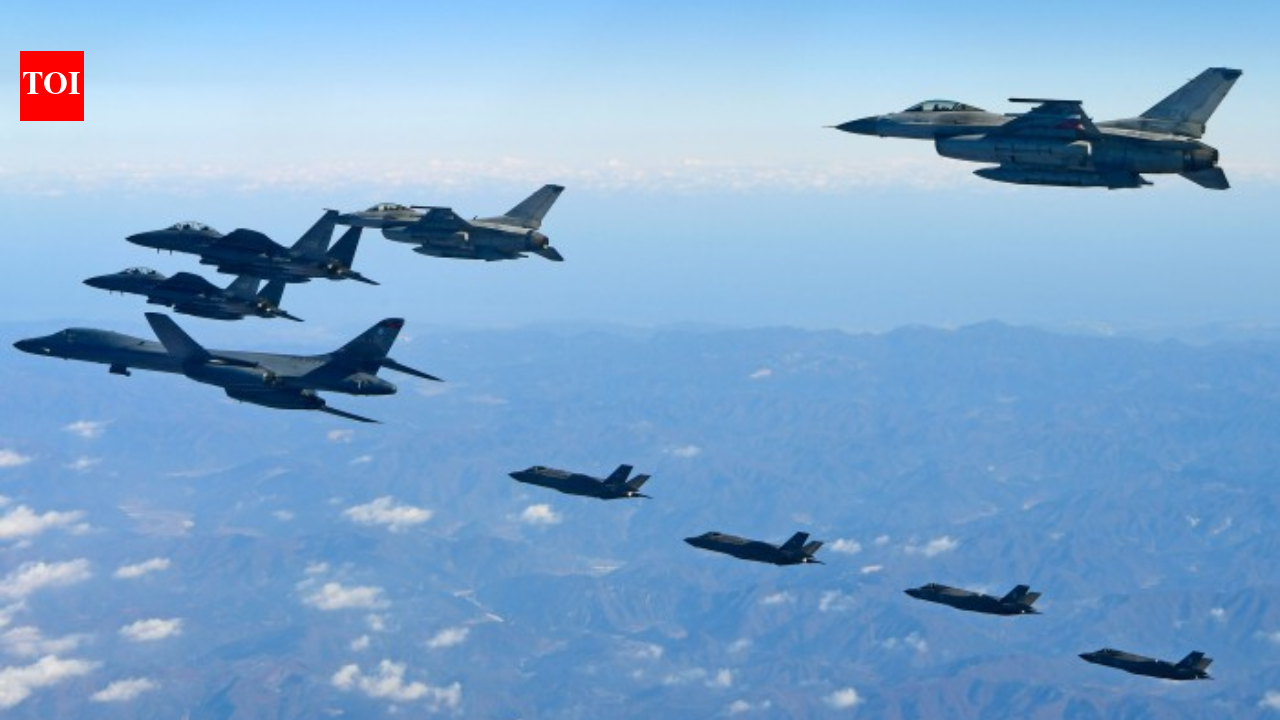
The United States has moved more than 50 fighter jets to the Middle East in the past 24 hours as the United States and Iran hold high-stakes nuclear negotiations. The aircraft include F-22, F-35 and F-16 jets, as well as several refueling planes tracked by social media accounts that monitor military flights. Flight-tracking data in recent days also shows an unusually strong movement of U.S. air power toward bases in Europe and the Middle East, according to open-source flight-tracking data cited by the Times of Israel.
The military buildup also includes continued deliveries of American air defense systems to the region, according to a U.S. official cited by CNN. The deployments of several U.S. troops already deployed to the Middle East and scheduled to rotate in the coming weeks have been extended, sources said. Dozens of U.S. military cargo planes have transported equipment from the U.S. to Jordan, Bahrain and Saudi Arabia in recent weeks, according to flight tracking data, with more than 250 total U.S. cargo flights to the region recorded.Some of the aircraft being moved are the same type used in Operation Midnight Hammer against Iran’s nuclear facilities last June, a person familiar with the matter told Air & Space Force Magazine.Also read: Khamenei’s warning to the US raises the question: Can Iran sink the US super aircraft carrier USS Gerald R. Ford?The deployment came as the United States and Iran held a second round of talks in Geneva over Tehran’s nuclear program. Iranian Foreign Minister Abbas Araghchi said the meeting had resulted in an agreement on “guidance” for future negotiations, and that the two sides would exchange draft documents for a potential agreement. No schedule has been set for an exchange or further consultations.“Although we have reached agreement on the guiding principles, the drafting stage of the agreement will be more difficult,” he said, as reported by CNN. “We now have a clearer picture of what work needs to be done and what work needs to continue. Of course, there is still work to do for both sides to work more closely together, but at least now we have a framework and a clearer path forward.”Also read: “Iran has no intention of recognizing President Trump’s red lines,” says J.D. Vance.The Trump administration is demanding that Iran agree to a new nuclear deal that bans enrichment of uranium. President Donald Trump has been threatening military action for weeks, initially warning Iranian leaders last month that he was prepared to order attacks if the government did not stop killing protesters. The first round of talks on February 6th took place indirectly in Oman, with SUVs flying American flags entering the palace grounds for the first time after Iranian officials appeared to have left.
