


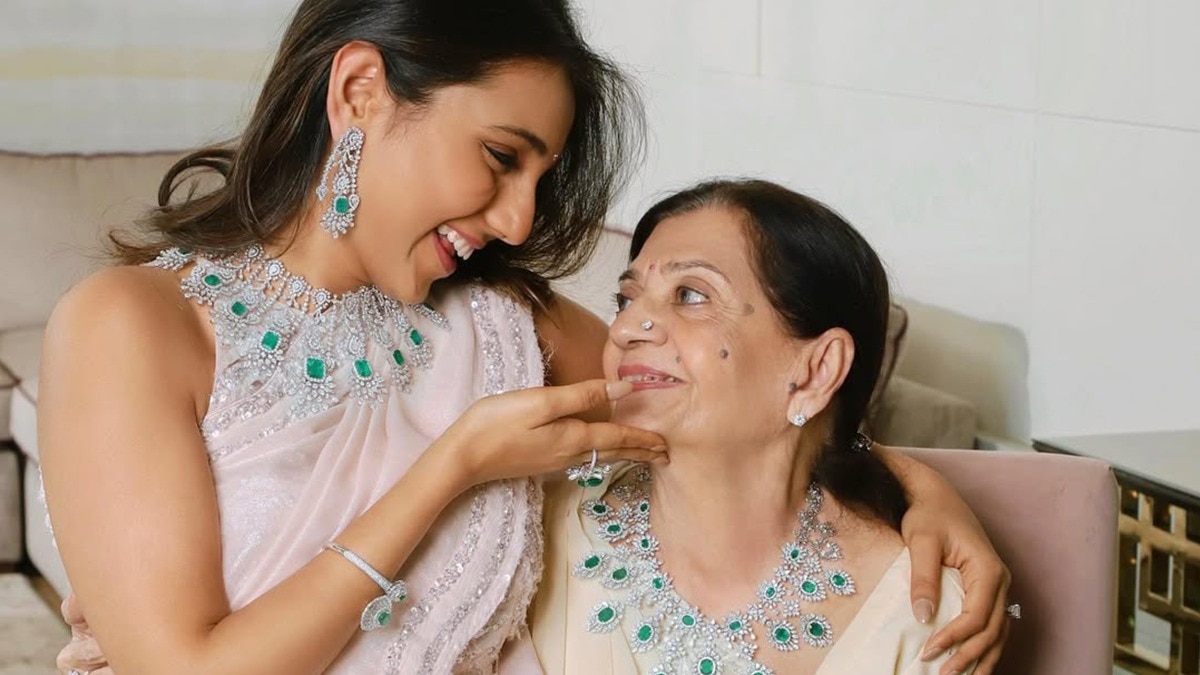
In a world of ever-changing trends, choosing to slow down feels almost defiant. Whether it’s this season’s hottest fashion item or matching accessories, most purchases have been driven by a feeling of luxury. The same sentiment is reflected in the way we buy jewelry. However, changes are gradually taking place. More and more people are drawn to products that are not only stylish, but also ethically made and stand the test of time. The slow fashion movement, which focuses on intention, quality and conscious consumption, is currently influencing the way jewelry is chosen, worn and passed down.
In this changing landscape, natural diamonds naturally find their place. Each has a story that has quietly formed over billions of years, reminding us of Earth’s own artistry. No two pieces are alike, and its uniqueness gives it an enduring appeal that transcends changes in style.
Masoom Minawala, a Dubai-based creator, investor, and entrepreneur, has witnessed this change firsthand. She comes from a family with deep roots in the jewelry business (her father, Rajesh Minawala, founded Lion Jewelers) and grew up immersed in the art of designing custom diamond pieces. This education not only developed an appreciation for heirloom jewelry, but also gave her insight into its value.
Jewelry as an emotional investment
For many people, jewelry has always had sentimental value. However, today’s luxury consumers consider both emotional and financial value when making choices. Mr. Minawala emphasizes:
We choose natural diamonds that will last a long time. Of course, there’s shine and craftsmanship, but there’s also story, heritage and heritage. ”
That sense of longevity means not only the quality, but also the history that each stone carries. Choosing such items is not as easy as choosing accessories. It’s about embracing the unusual, shaped by time and nature. “Culturally, in families where jewelery is passed down as heirlooms, a real diamond becomes a sign of love, milestones, continuity and more than just sparkle,” Minawala added.
For Minawala, these ideas are not abstract. They are lived experiences. She talks about solitaire necklaces that have been passed down through the women in her family. It was worn by my mother-in-law, inherited from her, and carries an unbroken thread of memory, love, and shared heritage. Minawala chose it to wear to her sangeet not because it matched her attire, but because it firmly connected her to her lineage and belonging. “Wearing it not only completes the look, but also completes the feeling,” she says. “Diamonds in that context are not fashion accessories, but silent witnesses to life, stories and celebrations.”
Special memories stand out. While preparing for a shoot in her hometown of Mumbai, Minawala selected an heirloom diamond necklace that once belonged to her grandmother. The moment she held it, she felt an instant connection. “I felt like I was channeling not just my own style, but my grandmother’s blessings and stories,” she recalls. All day long the elders were saying, “You look just like her.” As Minawala points out, these compliments were not just about jewellery, but about heritage, belonging and continuity.
A fusion of slow fashion and quiet luxury
This appreciation for permanence is part of a broader cultural shift that Minawala has personally embraced. “After many years, I realized that continuous consumption does not bring satisfaction,” she explains. “We wanted to invest in pieces that would last, tell a story, and be passed down.”
Just as slow fashion encourages consumers to value craftsmanship and intention over mass production, slow luxury brings a similar mindset to jewelry. “When you approach jewelry through slow luxury, you’re not just buying a product, but investing in a piece that retains craftsmanship, rarity, and emotional meaning for decades,” she added. “It’s important to choose something timeless rather than trendy.”
She went on to explain, “Today’s young consumers aren’t impressed by just a logo. They’re savvy, global, and interested in provenance, ethics, and craftsmanship. They want to know if it reflects their values. Diamonds with transparency, provenance, and history are much more appealing than just something fashionable.”
This ethical and intentional approach makes diamonds more than ornaments. They become a means of personal expression. “I come from a tradition full of luxury, but I also live in a digital, global and creative world, and diamonds bridge those realms,” Minawala reflects. “It honors tradition, yet reflects a contemporary and conscious identity. Choosing items thoughtfully, with meaning and longevity in mind, is very much in line with the slow fashion philosophy,” she says. “And when you pass them on, it’s not just possessions, it’s an actual inheritance, where values and stories and artifacts are passed down from generation to generation.”
Minawala wants to turn ownership into a legacy and pass on his diamonds. “I have pieces that could become family heirlooms,” she says. “It’s more than metal or jewelry; it connects the past with the future. I want to wear it, transform it, and pass it on so that another member of my family can wear it and tell a story.”
To her, this is why natural diamonds stand the test of time. They witness human stories that are personal yet connect generations. “They transcend fashion and become family,” she says. “Long after the trend fades, they anchor us to what’s important to us. And I think that’s the real magic of natural diamonds.”
All images: Masoom Minawala
Also read: 10 iconic intersections between fashion and literature
Also read: The little red dress is the flirty counterpart of the classic LBD
