


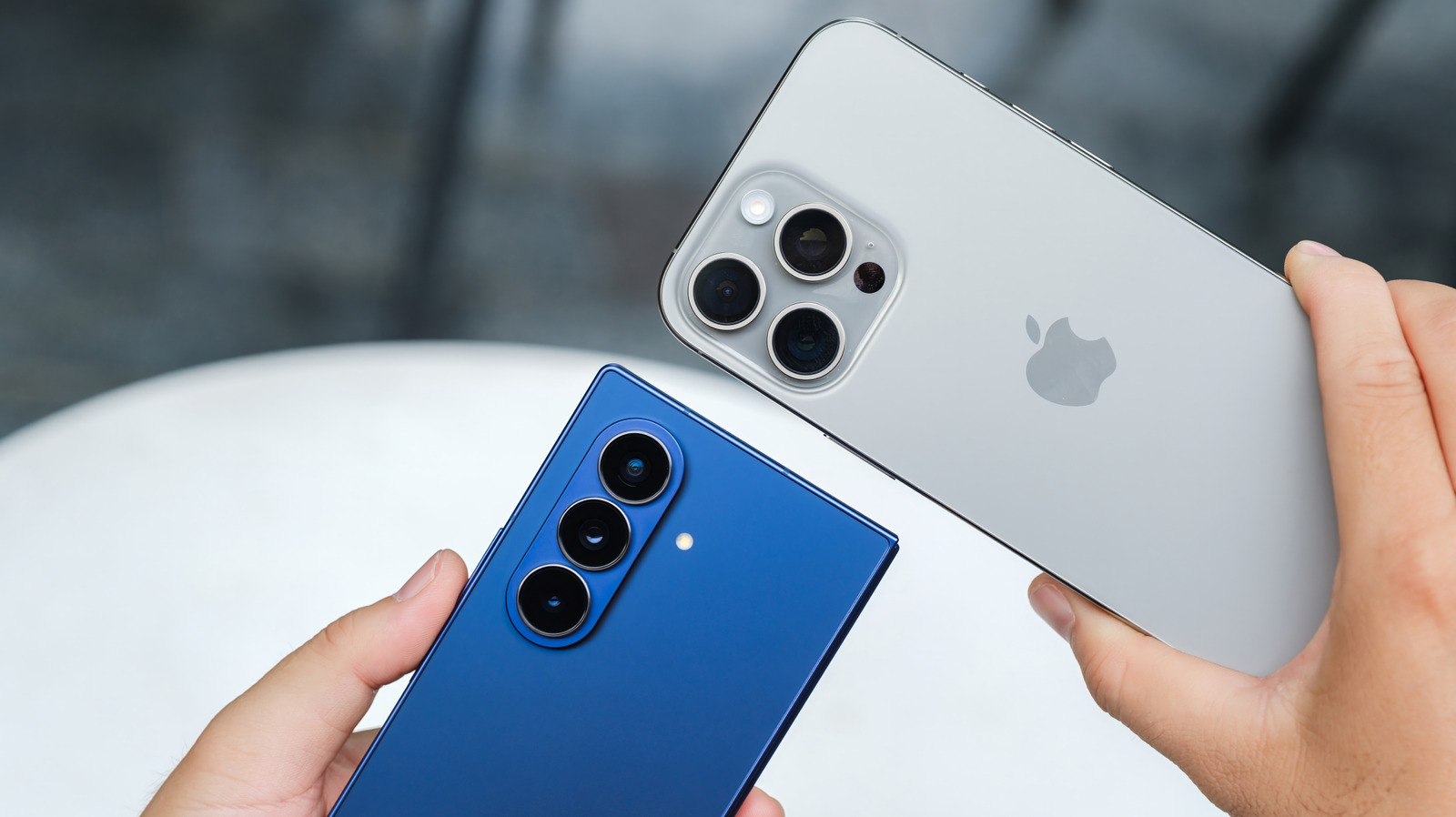
Tin Huon/Shutterstock
An unusual event that occurred in London last year helps explain why iPhones are more expensive than Android phones, and why Apple sells more iPhones than any Android vendor. The smartphone thief realized that the device was not an iPhone and returned the Android smartphone to its owner. They know the same thing everyone else knows. iPhones are highly coveted devices that hold their value better than Android devices. A used iPhone can fetch a higher price than a used Android device from the same year, if criminals can unlock the stolen device. These actions by criminals reflect the concerns of ordinary consumers. Nearly 20 years after smartphone innovation and the launch of the original iPhone, the iPhone is more appealing than Android.
In 2007, Apple released the first iPhone, a smartphone with a touchscreen display and no physical keyboard. Shortly after, everyone in the industry pivoted to touch interfaces, including Google. While Apple continued to improve the iPhone and owned more aspects of its development, including the software and certain hardware components, Google focused on turning Android into an operating system that was freely available to smartphone companies.
Since then, both platforms have evolved similarly. Android smartphones and iPhones offer similar hardware performance and software features. Although each can run the same apps and games, Apple devices are regularly given preferential treatment by developers who create iPhone apps before Android. Many iPhone owners are still unlikely to switch to Android, and many iPhone owners remain brand loyal, so Android will not be able to catch up with Apple in terms of consumer benefits. This allows Apple to keep iPhone prices high and even increase the average selling price. When it comes to Android vendors, they compete not only with the iPhone, but also with other Android brands.
Where does the value of the iPhone come from?
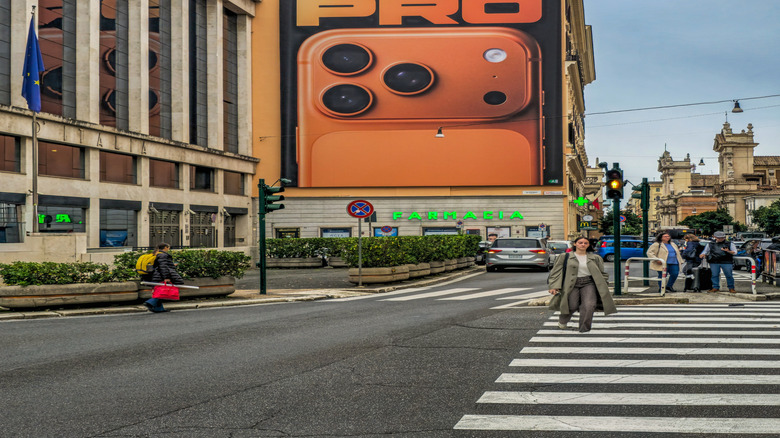
Fab4istock/Getty Images
Apple sells more than powerful and convenient mobile devices for everyday tasks. When you purchase an iPhone, you’re guaranteed a durable device made with premium materials. iPhones have long battery life and can last for several years. Apple keeps the iPhone relevant by allowing it to receive iOS releases for at least five years. A five-year-old iPhone can’t handle all the new features in the latest iOS release, but it has most of them.
This long-term software support is also an important feature for developers. With several years of OS and security updates, devices can now run most apps in the App Store, making iOS an important development platform. Additionally, new iOS releases will be available on the same day for all compatible iPhones. Apple’s iOS also offers some must-have apps like iMessage and FaceTime. In addition to software, Apple also controls the hardware with custom A-series chips. This will allow Apple to customize the performance and efficiency of iOS.
Apart from this, Apple has developed a large ecosystem of devices. If you have an iPhone, you can get AirPods, Apple Watch, iPad, and Mac that work well when paired with your smartphone. Considering the digital content from Apple’s various stores, as well as the photos and apps stored on your iPhone, it makes more sense to upgrade to a new Apple device every few years rather than switch to Android and migrate everything. All these factors help Apple keep iPhone prices higher than its Android competitors. Apple continues to focus on the premium segment, knowing that many consumers recognize the value the iPhone provides.
Aren’t Android smartphones as expensive as iPhones?
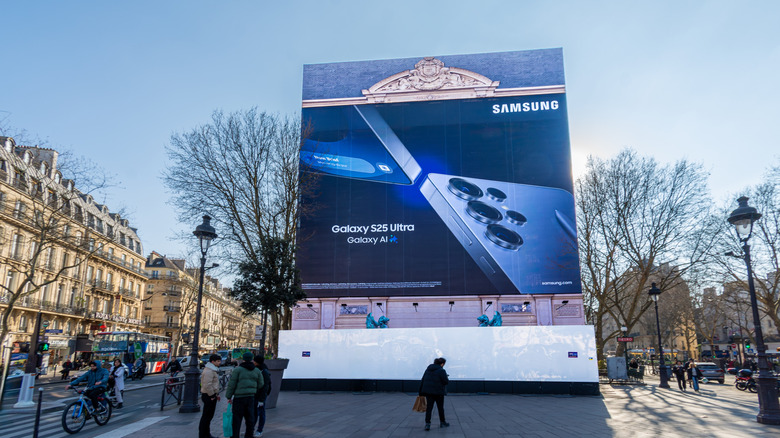
HJBC/Shutterstock
Some of Apple’s rivals are targeting the same iPhone price point as their flagship devices. However, there is intense competition within the Android camp, which could impact pricing. Anyone can create an Android smartphone using Google’s operating system and develop their own hardware. British smartphone maker Nothing, which entered the market just a few years ago, is the latest example. However, the new brand will compete not only with the iPhone, but with all other Android smartphone vendors. Android vendors also manufacture all kinds of devices, from entry-level phones to premium phones. The latest Galaxy S flagship starts at $799, but Samsung’s most popular phone around the world is the much cheaper Galaxy A model.
Android typically competes by driving hardware innovations, such as camera specification upgrades. However, all Android vendors have access to similar components. For example, many of them use the same Qualcomm Snapdragon chip as flagship devices. As a result, Android vendors cannot afford to increase prices significantly. A smart Android buyer can always choose a cheaper device with similar specs from a competitor.
The Android OS also presents challenges because mobile phone vendors have no control over the underlying operating system. You can develop user interfaces that sit on top of Android, like Samsung’s One UI, but Google develops Android. As a result, Android vendors are unable to tune OS performance to the hardware as Apple can. Also, most of them don’t manufacture their own mobile chips. Only Google is in such a unique position with Pixel smartphones. And while Google is the only company that starts updating its devices with Android OS on day one, some Android vendors issue updates much later. Finally, the limited device ecosystem of individual vendors makes some Android devices less attractive.
